Six dimensions. One model. Applied live, in your room.
Most leadership teams don't fail because of bad people. They fail because the mechanics are wrong. The decision rhythms, the accountability gaps, the conversations that happen in corridors instead of the room.
With AI accelerating change outside and inside businesses, the leadership team that remains has less margin for dysfunction. The team mechanics matter more now.
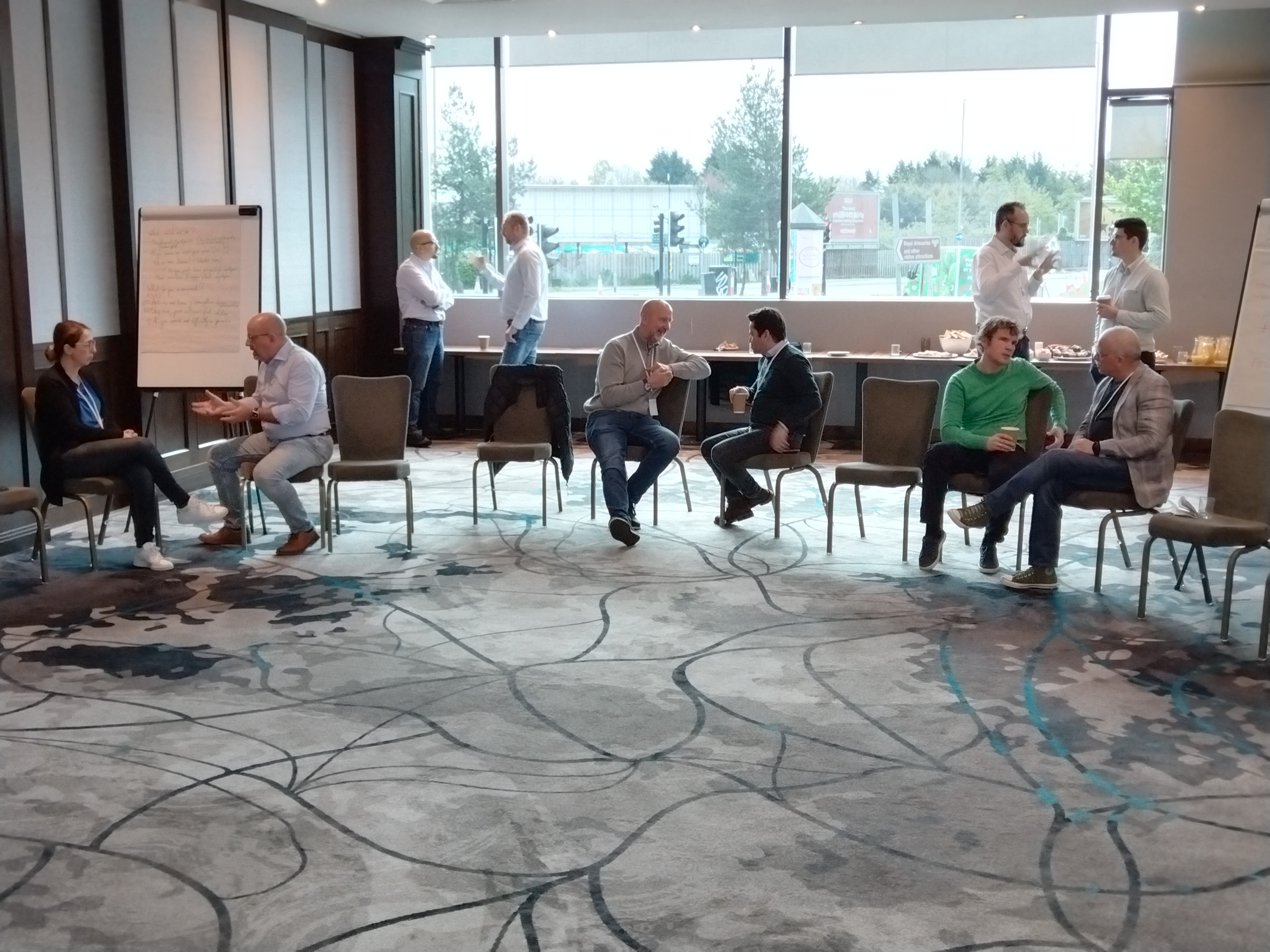
The Teaming Model is Teaming Hub's framework for building high-performing leadership teams. The model alone is not what changes teams. What changes teams is applying it live, in the room, together on real blockers your team has been experiencing for months. That is where the shifts happen. That is what we do.
The Teaming Model: six dimensions.
Each dimension builds on the others. The sequence is determined by what we find. Before the Journey begins, we gather data through questionnaires and one-to-one interviews. That tells us where the real blockers are and where to start.
What does this team exist to achieve? What do you truly want to leave behind? This is the foundation everything else is built on. Even more now with AI absorbing some tasks.
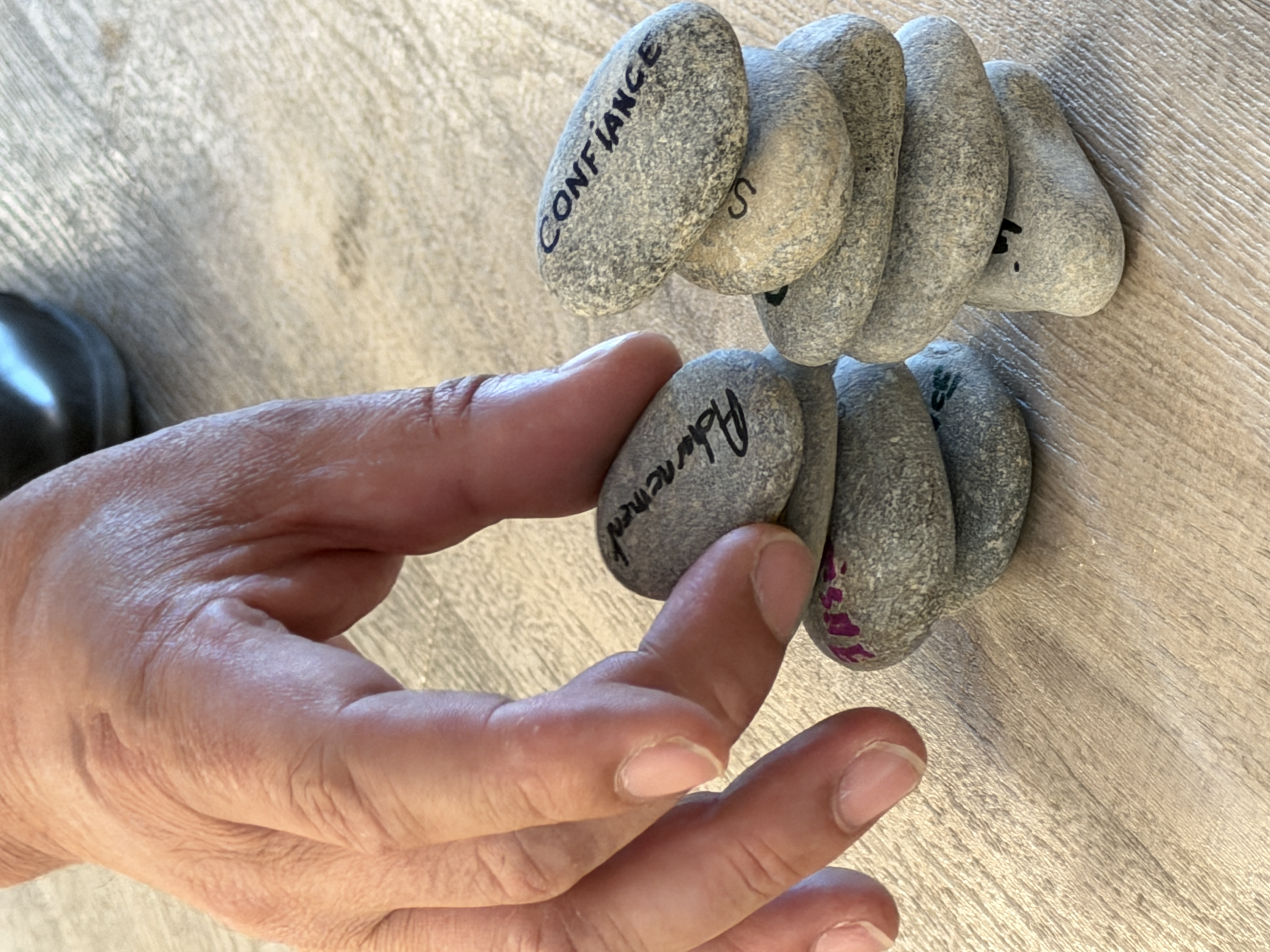
How can I fully trust the people in this team? Without this dimension, the hard conversations in the dimensions that follow will not happen.
What do we need to work on together? Where do we focus our collective brains?
When do we come together and how? How do we make decisions? Let's make the implicit explicit and remove what gets in the way.
AI cannot produce candour. As teams move faster under more pressure, the temptation to ignore interpersonal dynamics grows. This dimension is where that risk is addressed.
How do we keep improving after Teaming Hub leaves? How do we on-board new team members so the team finds its momentum back quickly?
What clients say.
We created something special here. We now accelerate past the problems at a much faster pace.
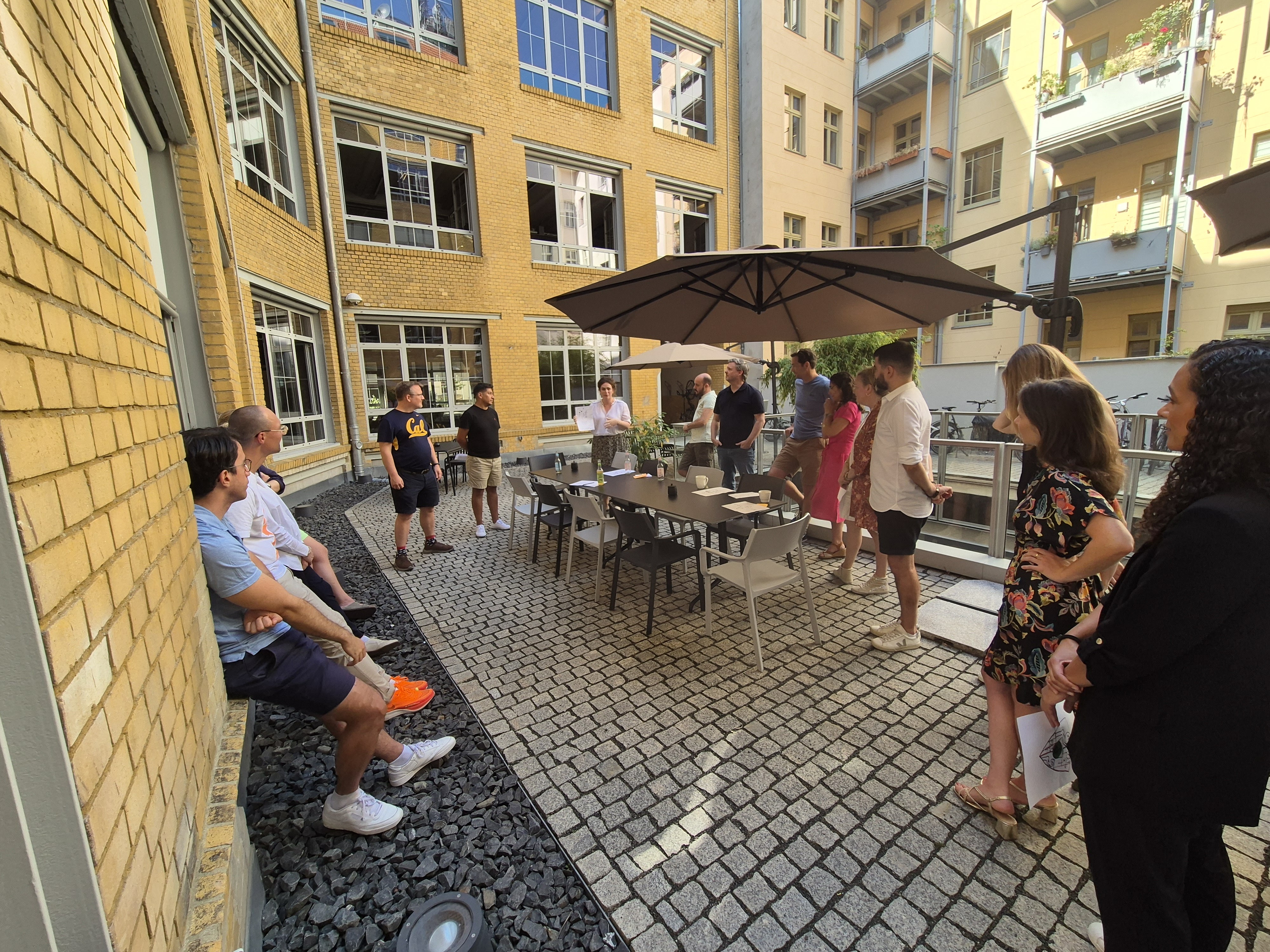
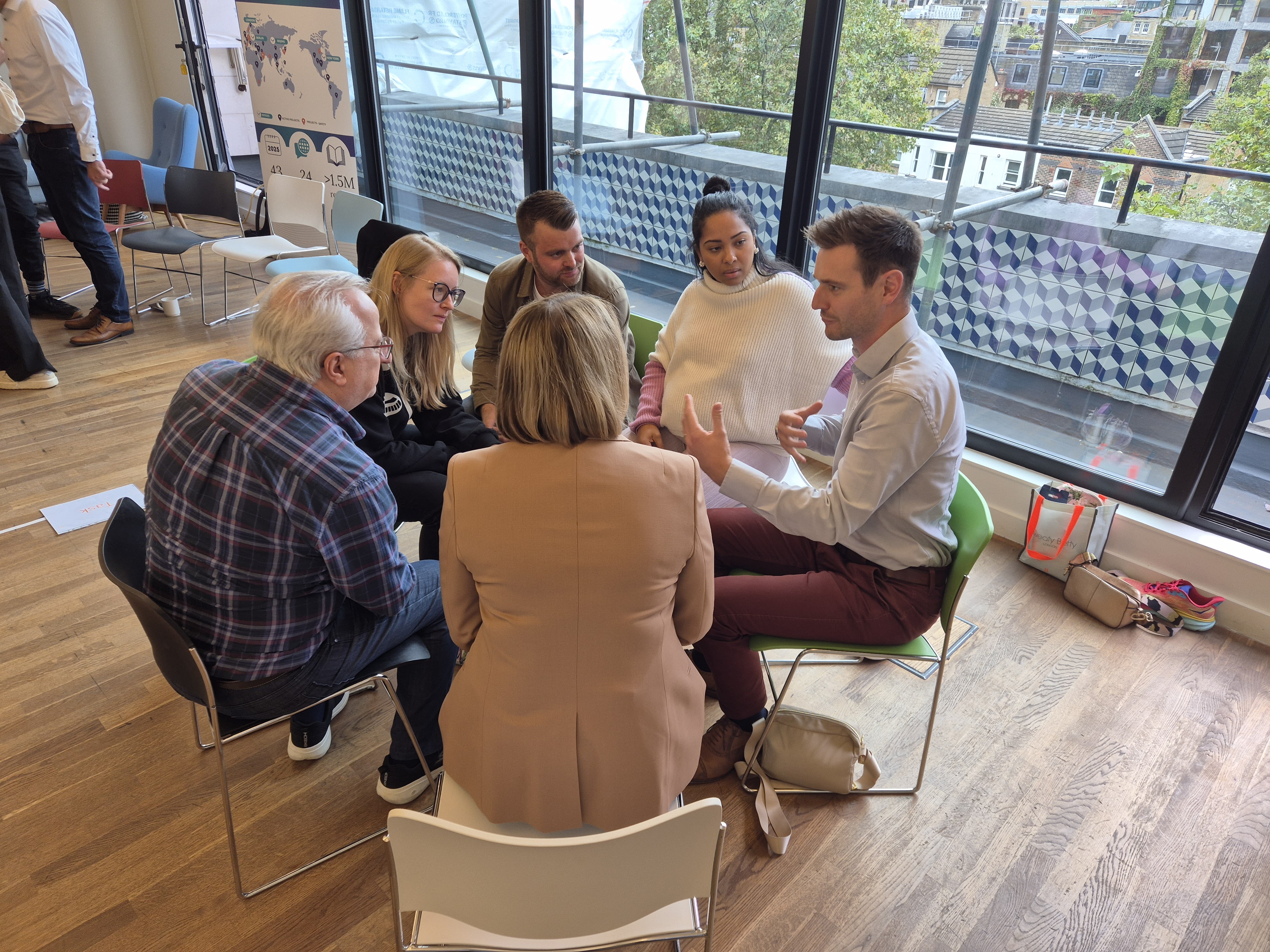
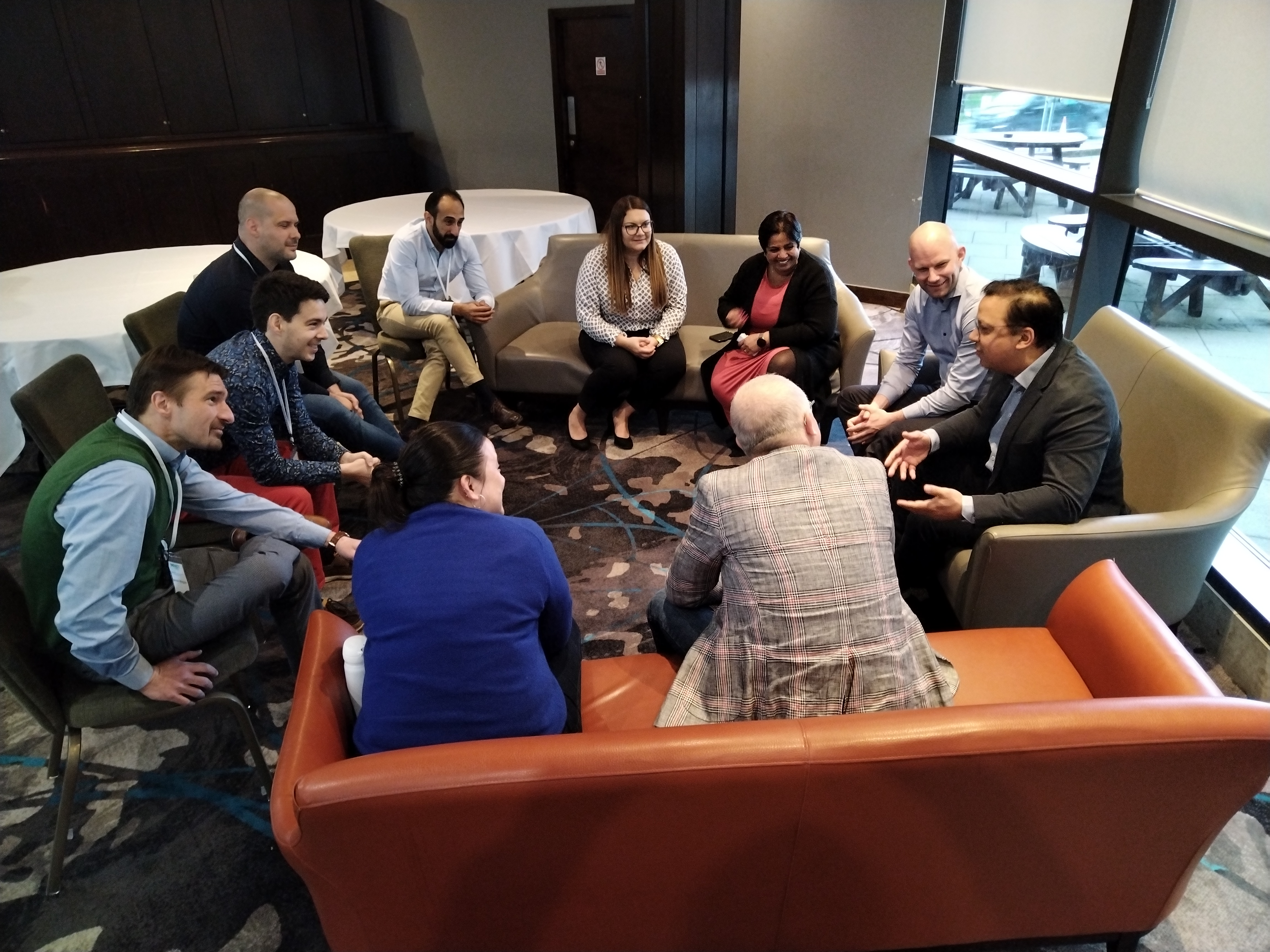
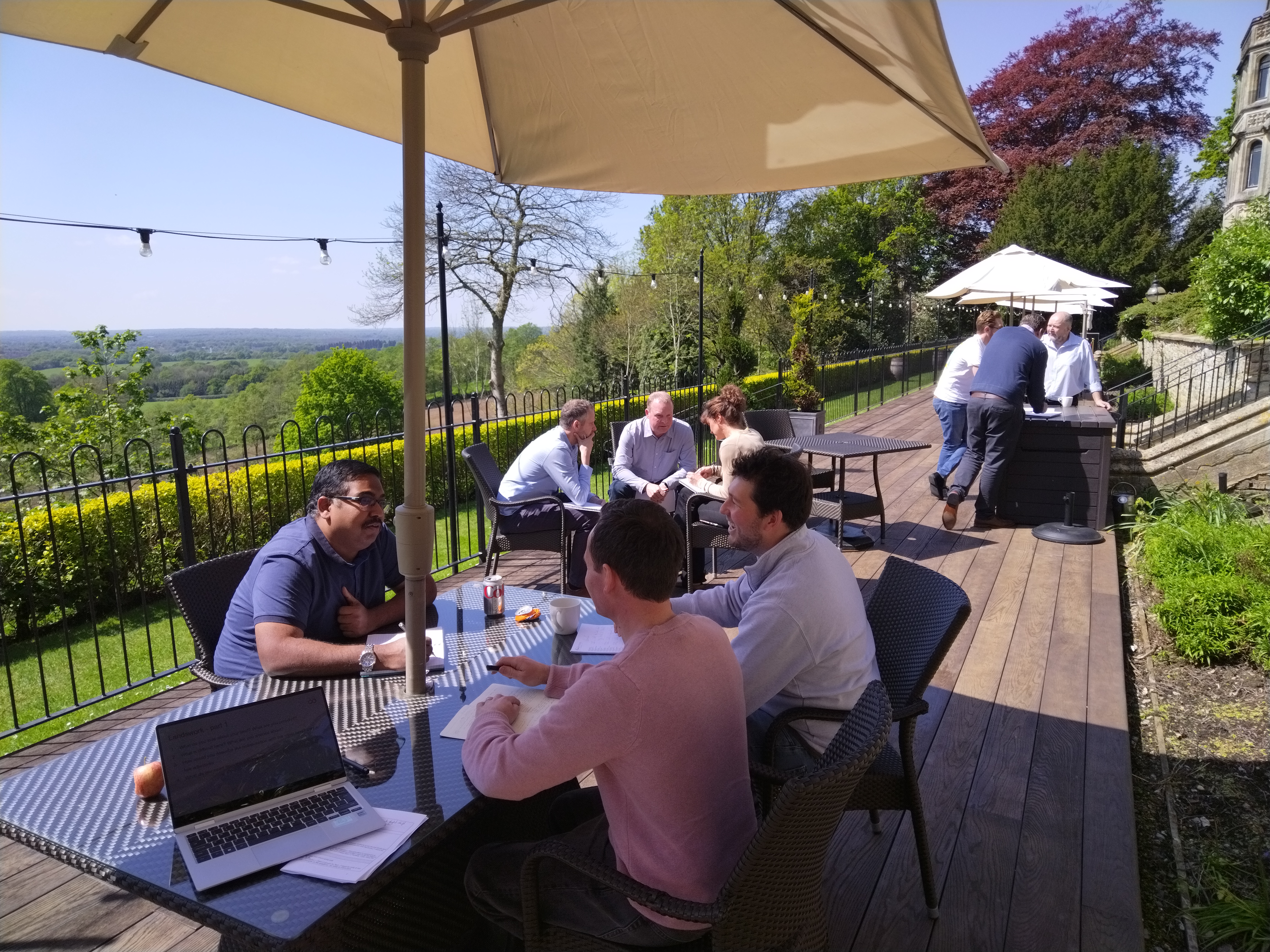
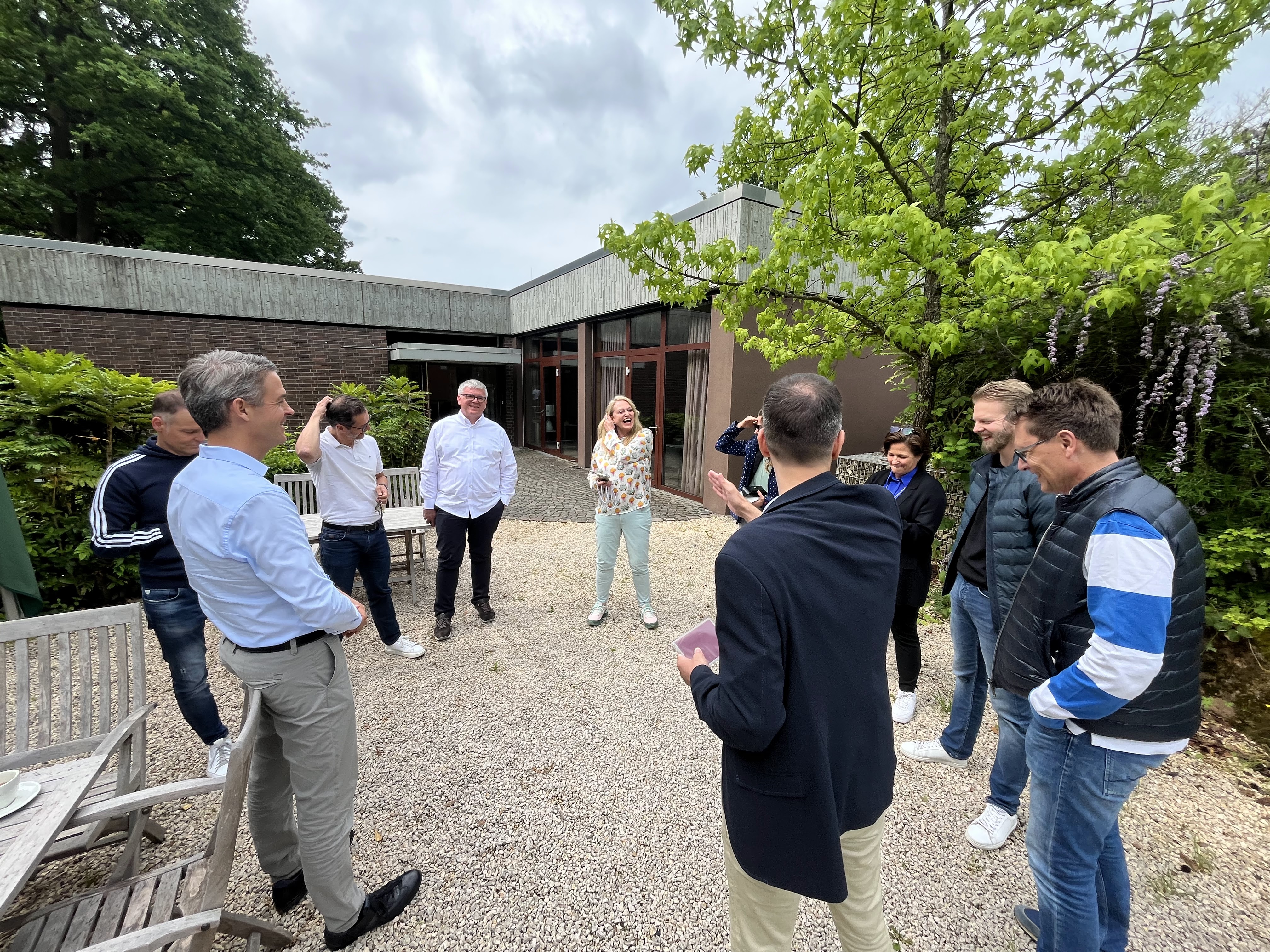
For senior leaders who are done carrying the team alone.
The Journey is for leaders who have run out of ways to explain what they already know. The team has the talent. The results should be better. And somewhere in the gap between those two things is a set of dynamics that nobody has addressed directly.
We work in English, French and Spanish.
Does any of this resonate?
In the room people agree or stay silent.
Disagreement, blame or complaints get expressed on the side in smaller groups.
You have run the offsite. People were energised. Nothing changed.
Your leadership team is a group of talented individuals who have never quite become a team.
You are carrying most of the cognitive load of the business because the team's collective intelligence is not activated.
A strategic initiative has stalled, not because of lack of effort or data. Because the leadership team does not collaborate.
Decisions that should take one meeting take five, or you end up making them alone because the room cannot reach a real conclusion.
The Journey is not for everyone.
You want a one-day offsite and a good-looking deck to show for it.
You are performing change for a board or an HR process.
You are not ready for an honest picture of your team's real dynamics.
You want to check a box, not change behaviour.
You are looking for team-building activities you hope will produce a stronger team as a side effect.
You are ready to change the mechanics, not just the mood.
You want to work on your real business issues, together, and build trust and capability in the process.
You want results that outlast our presence in the room.
You can handle clarity about what is actually happening.
You believe the leadership team is the lever and you are prepared to pull it.
Two ways we work with you.
A 6 to 12 month structured programme working on real business problems, in real time, changing team mechanics live, in the room.
Learn more →A leadership development programme for managers who are ready to build genuinely high-performing teams, not just lead better individually.
Learn more →Start with a 20-minute Diagnostic.
No pitch. An honest conversation about what is getting in the way, and whether we are the right people to help.
Book your DiagnosticWhat people ask us most.
What is executive team coaching?
Executive team coaching is a facilitated process that helps senior leadership teams improve how they make decisions, communicate, and hold each other accountable, working on real business problems, not simulated exercises. Unlike individual coaching, it treats the team as a system and works to activate the collective intelligence that most leadership teams leave untapped. Teaming Hub delivers executive team coaching live, in the room, over a structured programme of 3 to 12 months.
Why do leadership teams fail?
Leadership team failure is rarely caused by bad people. It is caused by smart, well-intentioned leaders who have learned to avoid hard conversations, protect functional silos, and perform alignment rather than achieve it. The result is slower decisions, a CEO carrying the full cognitive load alone, and a gap between what the team agrees in the room and what actually happens outside it.
How do I get my leadership team to have real conversations?
Real conversations in leadership teams do not happen by asking people to be more open. They happen when the conditions are right: psychological safety, a shared understanding of what is at stake, and a facilitator who can hold the space when the conversation gets hard. That is the work of the Journey, building those conditions permanently, not just for one session.
How does team coaching work?
Team coaching works by treating the team as a system rather than a collection of individuals. A structured diagnostic identifies where the real blockers are. The coaching then works on those blockers live, on actual business challenges, in the room, changing the mechanics of how the team operates rather than just how individuals behave. The shifts are visible during the sessions and built to last after them.